Premium” and “VIP Packages” convey quality and full-service experience.
A crown restores a damaged tooth or forms the visible part of an implant restoration. A bridge replaces missing teeth and is supported by natural teeth or implants. A veneer covers mainly the front surface of an existing tooth. Each treatment has a different purpose. The dentist chooses the restoration and its material after examining your teeth, gums, bite and available space.

Crown: Covers a damaged tooth to restore its shape and function. It may also be fitted over an implant component.
Bridge: Replaces one or more missing teeth. It is supported by prepared natural teeth or dental implants.
Veneer: A thin ceramic facing bonded mainly to the front surface of an existing tooth to change its appearance. It does not replace a missing tooth.
The dentist checks the remaining tooth structure, gums and bite before recommending an option. A smaller restoration may be suitable when the tooth does not need a full crown.
A “Hollywood Smile” describes an aesthetic goal, not a specific treatment or material. Depending on the condition of your teeth, a dentist may recommend veneers, crowns or other options to achieve the planned appearance while considering tooth health and bite.
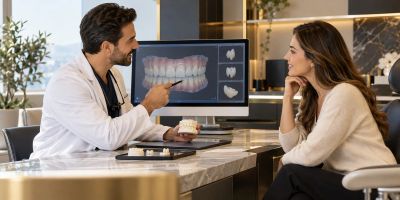
Dental zirconia is a tooth-colored ceramic used for crowns and, when the specific material and design allow it, dental bridges. A zirconia restoration may be made as one solid piece or with an additional ceramic layer for a more detailed appearance. Zirconia products vary in translucency and strength, so a material chosen for a front tooth is not automatically suitable for a long bridge or a patient with a heavy bite. The dentist and dental laboratory plan the restoration’s thickness, bridge connections, fit and bite for the individual case.
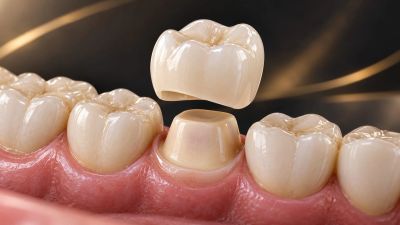
3Y-TZP is zirconia stabilized with approximately 3 mol% yttria. It is generally selected when mechanical strength is a major priority, such as suitable posterior crowns or bridge frameworks. Its lower translucency may require careful shade planning or ceramic layering for highly visible front teeth. As one product example, Dental Direkt lists DD Bio ZW iso at 1,150 ± 200 MPa flexural strength. This figure belongs to that product, not every 3Y zirconia.
4Y-TZP is designed to offer greater translucency than many conventional 3Y products while retaining strength for indications specified by its manufacturer. It may suit selected front or back crowns and bridges, depending on the exact product and restoration design. For example, Dental Direkt lists DD cube ONE ML as 4Y multilayer zirconia with 1,200 ± 150 MPa flexural strength. The laboratory must follow its product-specific bridge and connector instructions.
5Y-TZP offers increased translucency, which may help when matching visible teeth. It is not automatically the best choice for a long bridge or heavy bite. For example, Dental Direkt lists DD cubeX² ML at 700 ± 100 MPa and indicates it for crowns and bridges of up to three units. Treatment decisions must follow the exact product instructions.
“Multilayer” describes a disc with changes in shade, translucency or material composition across its thickness; it is not a separate guarantee of quality. Some products combine stronger dentin zones with more translucent incisal zones. The dentist and laboratory must position the restoration correctly within the disc and check the indication for the entire design.
IPS Emax CAD and IPS Emax Press are lithium-disilicate glass ceramics used for suitable dental crowns. CAD restorations are milled from a ceramic block and then crystallized; Press restorations are shaped through a laboratory pressing process. Their light-transmitting properties can help the dentist and laboratory plan a natural-looking front tooth, but the final shade also depends on the tooth underneath, ceramic thickness and bonding method. In a Hollywood Smile plan, the dentist decides whether a tooth needs a crown, a veneer or a less invasive option after checking its condition and bite. IPS Emax is not a universal choice for long bridges or every patient.
Veneers are thin restorations bonded mainly to the front surface of natural teeth. They may be considered to change the appearance of selected teeth affected by color, shape or minor surface defects. Ceramic veneers can be made from suitable lithium-disilicate materials, including IPS Emax CAD or Press, when the dentist and laboratory select the appropriate product and bonding method.
Before recommending veneers, the dentist checks for decay, gum disease, tooth grinding and bite problems. Some enamel may need to be removed, and a veneer can chip, loosen or eventually need replacement. A veneer does not replace a missing tooth or automatically suit a tooth that needs substantial structural support.
A dental bridge replaces one or more missing teeth with artificial teeth joined to supporting restorations. A tooth-supported bridge usually requires preparation of the neighbouring teeth; an implant-supported bridge relies on dental implants instead. These are different treatment plans, so the dentist first assesses the supporting teeth or implants, gums, bone, bite and space available for cleaning.
Bridge materials may include suitable zirconia, metal-ceramic porcelain, or selected short-span lithium-disilicate designs. The material and number of units must follow the exact manufacturer’s indications and the laboratory design. A full-arch implant bridge may also use a separate framework or bar; its material should be specified in the individual treatment plan rather than assumed from the appearance of the teeth.
Zirconia and IPS Emax CAD/Press are different ceramics. Zirconia is available in several grades with different combinations of strength and translucency; whether it suits a bridge depends on the exact product and design. IPS Emax CAD/Press are lithium-disilicate glass ceramics often considered for suitable veneers and individual crowns where light transmission is important. Their use in bridges has specific restrictions
The dentist considers the position of the tooth, its underlying colour, remaining tooth structure, available ceramic thickness, bite forces and the planned bonding method. The laboratory then selects a suitable product and design. Neither material guarantees a particular appearance or lifetime.
Porcelain can describe different dental materials. A porcelain-fused-to-metal (PFM) crown or bridge has a metal framework covered with tooth-colored ceramic. The metal provides structural support, but it may reduce translucency or become visible near the gum line in some cases.
Feldspathic porcelain is an all-ceramic material that can be used for selected thin veneers or as an aesthetic layer over another restoration. It is different from PFM and should not be described as a metal-ceramic crown. The dentist and laboratory choose the material according to the tooth, bite, appearance goals and restoration design.
The dentist examines your teeth or implants, gums, existing fillings and bite before recommending a crown, bridge or veneer. If a smaller restoration can preserve more healthy tooth structure, that option should also be discussed. For a missing tooth, the condition of neighbouring teeth and the possibility of an implant-supported restoration are assessed.
Shade, underlying tooth color, available space and access for cleaning guide the laboratory design. A digital scan or impression is used to make the restoration, and a temporary one may be needed. Before fitting the final restoration, the dental team checks its fit, bite and appearance. The number of visits depends on the individual treatment plan.
Crowns, bridges and veneers still need daily cleaning and regular dental check-ups. The dental team can show you how to clean around a crown and beneath a bridge using suitable floss or interdental aids. Good care also helps protect the supporting teeth, gums and implants.
A veneer may chip or loosen; ceramic can fracture; and a bridge may develop problems involving its supporting teeth or implants. Decay and gum disease can still occur around restorations. Contact a dentist if a restoration feels loose, your bite changes, or you develop pain, swelling or bleeding. The lifespan of a restoration varies and cannot be guaranteed by its material alone.
Please reach us at Info@beautypointtr.com if you cannot find an answer to your question.
No. Zirconia is an oxide ceramic. IPS Emax CAD and Press are lithium-disilicate glass ceramics. IPS Emax ZirCAD is a separate zirconia product line.
No. The implant, connecting component and visible crown may come from different manufacturers. The laboratory record identifies the crown material.
No. “Hollywood Smile” describes an appearance goal. Depending on tooth health and bite, a dentist may recommend veneers, crowns, whitening or another option.
There is no fixed lifespan for every patient. The tooth, bite, cleaning habits, restoration design and regular reviews all matter. A dentist should assess any damage or loosening.
Dental Direkt produces several zirconia materials with different indications. For example, DD cube ONE ML is a 4Y multilayer zirconia listed for selected crowns and bridges, while DD cubeX² ML is a 5Y material indicated for crowns and bridges of up to three units. The exact material used for each patient should be confirmed from the dental laboratory record.
Ivoclar offers different materials within the IPS e.max family. IPS e.max CAD and IPS e.max Press are lithium-disilicate glass ceramics, while IPS e.max ZirCAD is zirconia. They are different materials with different clinical indications.
Straumann n!ce Zirconia is a range of restorative zirconia materials with different translucency and indications. Having a Straumann dental implant does not necessarily mean the crown placed on it is made from Straumann zirconia.
The treating dentist and dental laboratory select the specific material according to the restoration design, tooth position, bite and individual clinical findings.
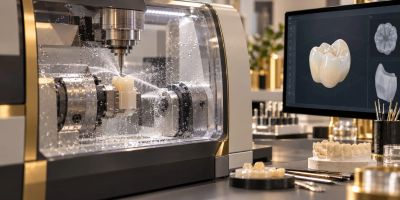
Beauty Point TR coordinates dental consultations for international patients in Turkey. Share your dental history, available X-rays and the changes you hope to make to your smile. The treating dentist at a licensed partner facility will assess whether crowns, bridges, veneers or another approach is appropriate and explain the proposed material before treatment.
Every treatment plan is individual. You can request details about the restoration, the dental laboratory, expected visits, aftercare and the written warranty terms before deciding.
Beauty Point TR offers a lifetime warranty on eligible dental restorations, subject to the written warranty terms provided with the individual treatment plan. The document explains which restorations are covered, any maintenance requirements or exclusions, and how to request an assessment if a problem occurs.
The warranty applies to the specified restoration under its written conditions. It does not mean that natural teeth, gums or implants are guaranteed to remain problem-free for life. Regular home care and professional dental reviews remain important.
Beauty Point TR
Zafer, Babaocağı Sk., Bahçelievler/İstanbul, Türkiye